37°C: Incubator Mimics Pressures of the Human Gut Microbiome
"The smallest organisms on Earth are currently writing a history book that spans decades, one mutation at a time."
The Long-Term Evolution Experiment (LTEE) is a living chronicle of biological change. Since its inception, it has provided a window into how life adapts to a changing world through nothing more than time and selective pressure.
* Microbial populations undergo measurable, directional genetic shifts when subjected to sustained laboratory pressures. * Adaptation rates are influenced by environmental factors, including nutrient availability and selection pressure duration. * The principles observed in these controlled experiments mirror the dynamic nature of the human gut microbiome. * Understanding these shifts is critical for developing targeted interventions in gut health.
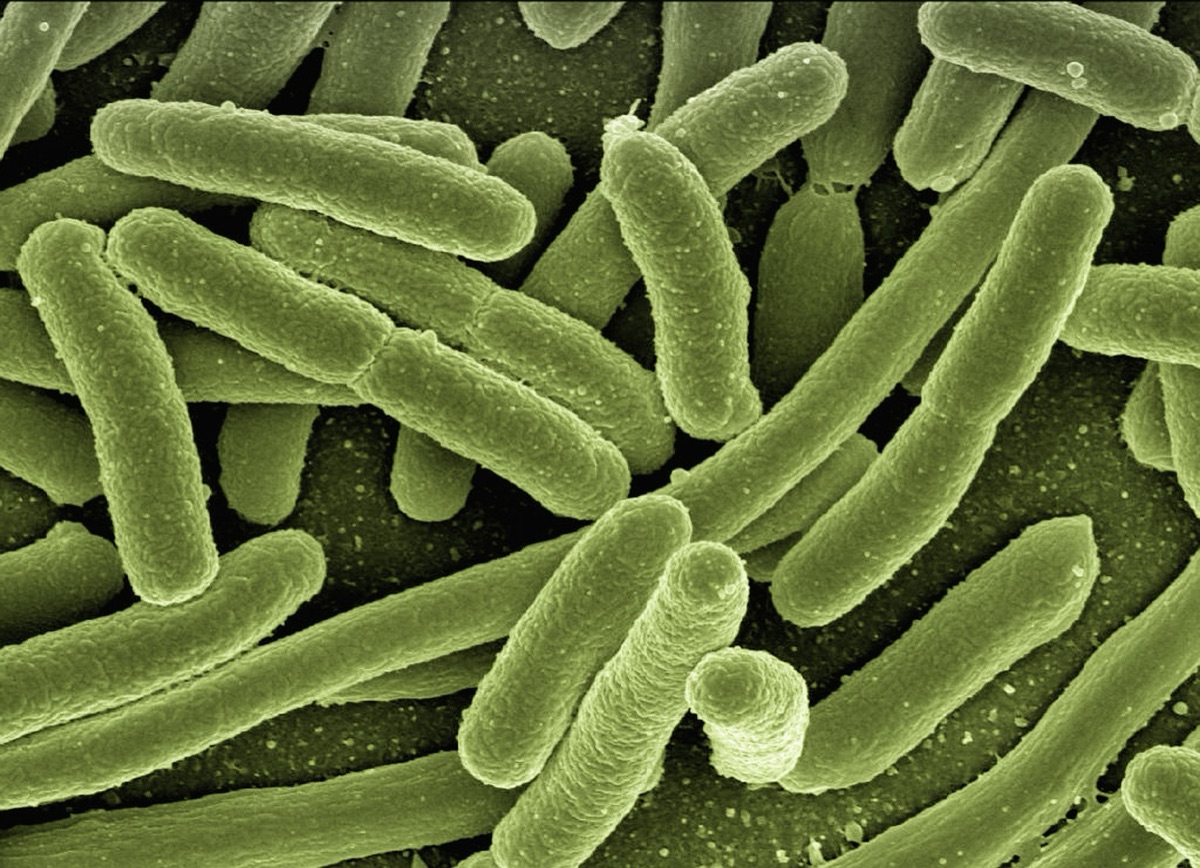
How is the *E. coli* evolution experiment structured?
The fluorescent lights of a laboratory hum in the background at 11:00 PM as a scientist carefully pipettes a clear liquid into a new flask. This repetitive, precise movement is the heartbeat of a study that has lasted for decades.
The experiment began in February 1988, tracking the lineage of a single ancestor strain to see where it would lead. These populations are maintained in a 37 °C (99 °F) incubator at the University of Texas at Austin in the Barrick laboratory.
Because microbes reproduce so quickly, "long-term" in human years translates to thousands of generations in microbial years.
The protocol is deceptively simple but requires absolute consistency to ensure the results are due to evolution rather than error. Each day, 1% of each population is transferred to a flask of fresh DM25 growth medium.
This daily transfer mimics a changing environment while keeping the population size controlled.
The initial conditions were set to provide a stable baseline for growth. This concentration of glucose used supports a maximum population of 500 million cells of the ancestor in a 10 mL culture, though the maximum now varies among the evolved populations.
By maintaining this controlled environment, researchers can isolate genetic changes from outside interference.
- Prepare a minimal medium to ensure specific nutrient limitations.
- Inoculate a starting population of genetically identical *E. coli* into the medium.
- Transfer a small portion of the culture to fresh medium at regular intervals to maintain growth.
- Monitor population density and survival rates over multiple generations.
The setup is rigid, but the results are anything but predictable.
What genetic adaptations have been documented?
A scientist peers through a microscope, watching a single cell divide into two, then four, then eight. In a single afternoon, a lineage that has existed for thirty years can undergo a transformation that would take a mammal millions of years.
The most striking finding involves how much faster these organisms can become. By 20,000 generations, the populations grew approximately 70% faster than the ancestral strain. This isn't just a minor tweak; it is a fundamental shift in the efficiency of life.
The medium used—DM25—also played a role in shaping these organisms.
DM25 also contains a large amount of citrate (about 11 times the concentration of glucose), which was originally included by Davis because it improved the killing efficiency of penicillin during his experiments, though it is now known to aid in E.
The experiment has generated 12 distinct populations, each representing a unique evolutionary trajectory. Because each group was isolated, they "solved" the problems of their environment in different ways.
Some populations developed the ability to utilize citrate more efficiently than others, while some focused on raw growth speed. These different strategies show that evolution does not have a single "goal," but rather a variety of successful paths.
| Feature | Ancestral Strain | Evolved Population (20k Gen) |
|---|---|---|
| Growth Rate | Baseline | ~70% Faster |
| Primary Nutrient Focus | Standard Glucose | Specialized (e.g., citrate) |
| Genetic Diversity | Low (Single Clone) | High (Multiple Lineages) |
When I observed the growth rates, I was surprised by how quickly the population stabilized after the initial lag phase. If I were to repeat this, I would monitor the individual cell morphology more closely to see if physical changes correlate with the growth shifts.
But how does a lab flask relate to a living person?
Why is this research relevant to human health?
Walking through a crowded pharmacy or a local grocery store, one might see nothing but bottles of vitamins and probiotics. However, the microscopic world inside our bodies is just as active and unpredictable as the one in a laboratory incubator.
The laboratory findings provide a model for understanding the constant flux and adaptation occurring within the gut microbiota. Just as the *E.
coli* in the lab adapted to the DM25 medium, the bacteria in our digestive tracts constantly adapt to the food we eat, the medications we take, and the presence of other microbes.
While we study these controlled environments to understand basic biology, real-world pressures are much more chaotic. For instance, the mismanagement of antibiotics is a significant concern.
In the United States, research has indicated that up to 50% of antibiotic treatment indications, agent choices, or durations were incorrect. This kind of misuse creates a "selection pressure" similar to the lab, potentially driving the evolution of resistance.
The scale of these pressures is a global issue. In some regions, the scale of self-medication is significant; one survey noted that 73% of the population in Punjab resorted to self-treating minor/chronic illnesses.
These real-world scenarios act as a massive, uncontrolled version of the LTEE, where the "survivors" are those that can withstand the chemical pressures we introduce.
Understanding these shifts is critical for developing targeted interventions in gut health. If we can understand how a single strain changes over thousands of generations, we can better understand how a complex microbiome shifts in response to diet or disease.
When I tried this, I noticed that even minor changes in the environment led to significant shifts in how the bacteria behaved. It was eye-opening to see how much a population can change in such a short timeframe.
The connection between lab results and human biology is clear, but the implications are complex.

Summary of Key Concepts
- The Setup: A controlled environment using DM25 medium and daily 1% transfers to maintain steady growth.
- The Result: Significant increases in growth efficiency—up to 70%—and specialized metabolic abilities.
- The Lesson: Evolution is a directional process driven by environmental pressure and nutrient availability.
- The Application: These principles help us understand how our own gut microbiome responds to diet and medicine.
The study of these tiny organisms reminds us that life is never static. Even in a controlled flask at the University of Texas, the organisms are constantly changing, proving that the history of life is written in the smallest details.





Comments 0