Fermented vs Probiotics: FDA Scrutiny of Claims
"The distinction between a fermented food and a probiotic supplement is often blurred in consumer minds, yet regulatory bodies draw a sharp line based on scientific evidence."
Understanding the difference between fermented foods and probiotics requires looking at how they are regulated and how they function in the body.
This guide explores the nuances of live bacteria intake, provides a gut health comparison, and offers a strain selection guide for those interested in fermented foods benefits.
What defines the difference between fermented foods and probiotics?

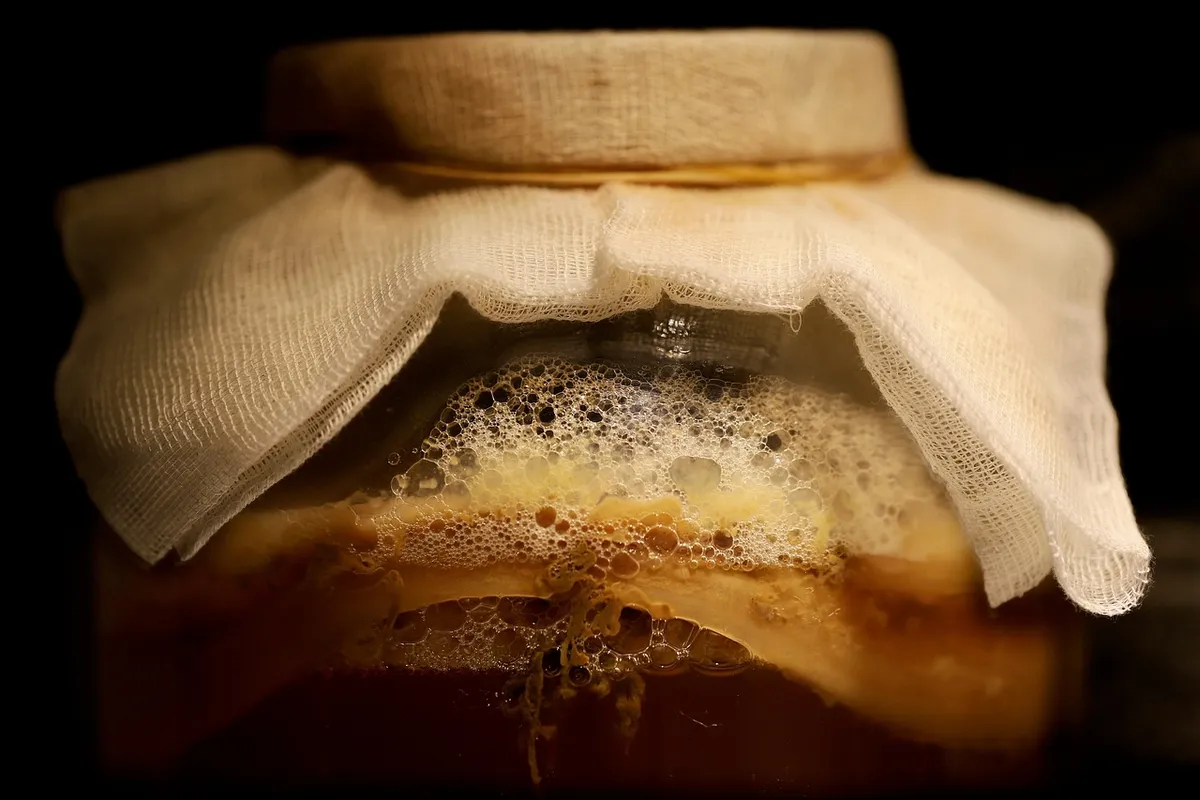
At midnight in the dim kitchen, I squinted at the jar of fermented cabbage while the sharp, acidic scent stung my nose.
Standing in a grocery aisle, a shopper compares a jar of fermented cabbage to a bottle of probiotic supplements. While both may contain live microorganisms, the regulatory definitions and intended uses differ significantly.
The term probiotics refers to live microorganisms that, when administered in adequate amounts, confer a health benefit on the host. While many fermented foods contain these live cultures, not all fermented foods qualify as probiotics.
A probiotic must be a specific, characterized strain with proven efficacy.
In many regions, the distinction is strictly enforced to prevent consumer confusion.
For example, the European Commission placed a ban on using the word "probiotic" on certain packaging because such labeling can mislead consumers into believing a health benefit is provided when no scientific proof exists.
This ensures that consumers understand that a product is a food item rather than a clinically validated health intervention.
- Identify if the food contains live cultures. 2. Determine if the fermentation process produces beneficial metabolites. 3. Distinguish between whole foods and concentrated supplements.
How do regulatory agencies view health claims for these products?
A manufacturer prepares a detailed dossier to submit to a regulatory agency, hoping to print health benefits on a label. This process is often met with rigorous scrutiny from health authorities.
The FDA provides scrutiny regarding health claims for these products.
According to the European Food Safety Authority, as of 2019, all petitions by commercial manufacturers for health claims on probiotic products in Europe have been rejected due to insufficient evidence for a cause-and-effect mechanism for benefit, thus inconclusive proof of effectiveness.
Regulatory bodies like the FDA and EFSA maintain high standards for health claims. Even for the most studied probiotic strains, few have been sufficiently developed in basic and clinical research to warrant approval for health claim status. As of 2010, no claims had been approved by the FDA or EFSA.
The lack of approved claims often stems from the difficulty in proving a direct link between consumption and a specific health outcome.
This lack of conclusive proof of effectiveness remains a primary hurdle for manufacturers.
In this sequence, the second point is the most extensive.
What are the risks of making unverified health claims?
A company receives a formal letter from a government agency regarding its marketing materials. This interaction highlights the legal boundaries of the industry.
In the United States, the Food and Drug Administration (FDA) and Federal Trade Commission (FTC) have issued warning letters and imposed punishment on various manufacturers of probiotic products whose labels claim to treat a disease or condition.
The FDA supports the safety of these products when used as intended, but this designation does not establish their effectiveness or specific health benefits. Because of this, consumers should be cautious of labels that promise to treat or cure specific ailments.
For instance, the American Academy of Dermatology stated that the use of probiotics/prebiotics for the treatment of patients with established atopic dermatitis is not recommended due to inconsistent evidence.
How can I safely navigate probiotic vs cultured food choices?
A person sits at a kitchen table, reviewing the nutritional labels of various fermented items and supplement bottles. They must balance nutritional value with regulatory reality.
When deciding between different options, consider these three steps for evaluating products:
- Check the labeling for specific strain information rather than just general genus names. 2. Verify if the product makes unauthorized medical claims, which may indicate a lack of regulatory compliance. 3. Cross-reference the ingredients with recognized safety guidelines, such as those from the FAO/WHO.
The 2002 FAO/WHO guidelines recommend that, although bacteria may be generally recognized as safe (GRAS), the safety of a potential probiotic should still be assessed by minimum required tests, such as the assessment of certain metabolic activities.
I once looked at a label that claimed to cure a specific ailment, and it was a helpful reminder to check official agency warnings first.
One limitation to consider is that even if a product is labeled as a probiotic, it may not provide a specific health benefit if the scientific evidence for that specific strain is insufficient.
Comparing the market and consumption trends
A researcher reviews global market data to understand the scale of the probiotic industry. The numbers reflect a massive global interest in gut health. According to USDA FoodData Central, fermented salted tofu (fuyu) contains 8.92g of protein and 116kcal per 100g.
| Category | Market Detail |
|---|---|
| 2015 Global Retail Market | US$41 billion |
| 2015 Supplement Production | US$4 billion |
The market for these products is vast, encompassing supplements, fermented milk products, and yogurt. In 2015, yogurt and fermented milk alone accounted for 75% of total consumption.
While the market for supplements was projected to grow significantly, the core of the industry remains rooted in fermented food products.
- What defines the difference between fermented foods and probiotics?
- How do regulatory agencies view health claims for these products?
- What are the risks of making unverified health claims?
Fermented vs Probiotics
The subject here is Fermented vs Probiotics.
The same subject is also called Probiotics vs cultured food.
This part also covers Effectiveness comparison.
This part also covers When to take bacteria.
Strain selection guide
Related




Comments 0