How do viral infection rates shape health strategies?
"The intersection of viral pathology and microbial health remains a critical frontier for preventive medicine."
Understanding how to manage health in the face of viral threats requires a clear look at how pathogens interact with the human body. This guide explores how different viral transmission pathways influence the potential for probiotic use and general health maintenance.
Key takeaways include understanding historical infection statistics, recognizing specific viral classifications, and identifying the limitations of current research regarding viral interactions.
How do viral infection rates shape health strategies?
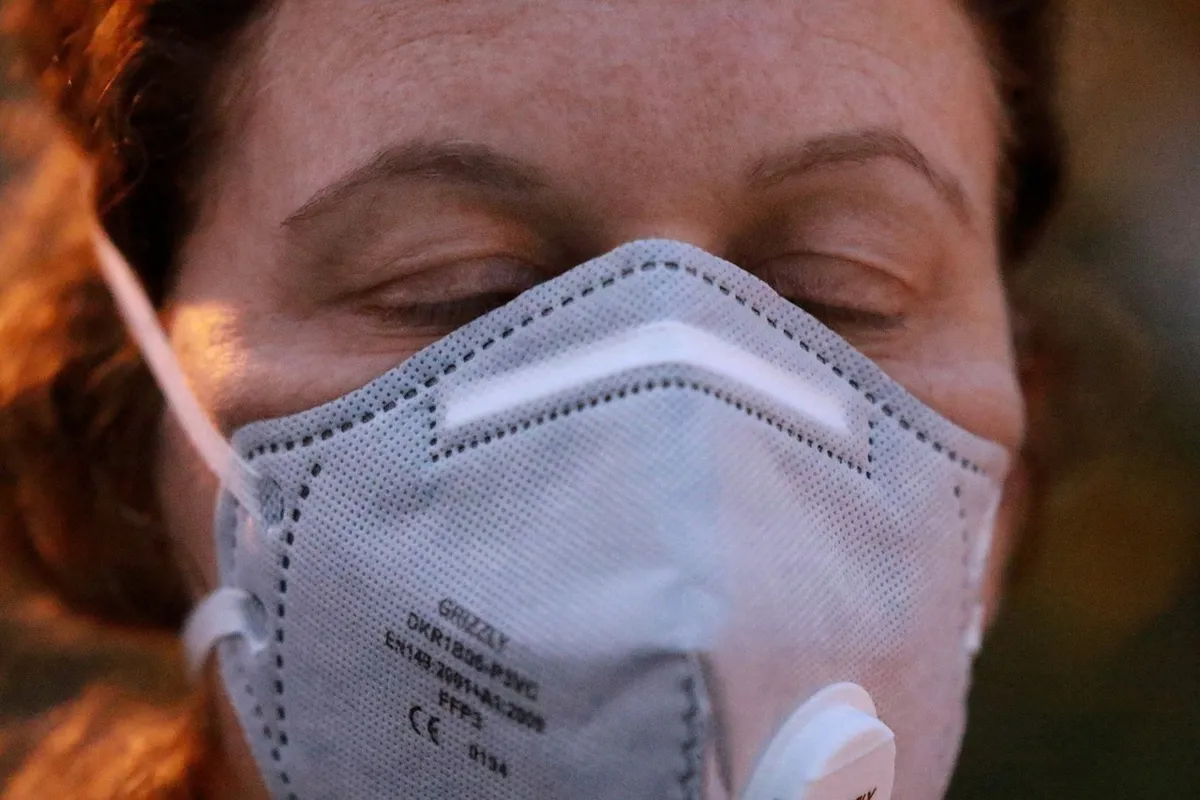
At sunset, the researcher grips a cold pen while staring at a screen full of viral trends.
The World Health Organization's International Agency estimated that infection caused 17.8% of human cancers, with 11.9% caused by one of seven viruses.
A researcher sits at a desk, reviewing historical data regarding the impact of infectious agents on human health. The data reveals the significant role that infections play in global health outcomes.
According to the World Health Organization's International Agency for Research on Cancer, it was estimated in 2002 that infection caused 17.8% of human cancers, with 11.9% caused by one of seven viruses.
This historical statistic highlights the profound impact that viral agents have on human cellular integrity and long-term health. Understanding these proportions helps in prioritizing preventive strategies that support the body against such pervasive threats.
- Monitor real-time transmission data.
- Allocate medical resources to high-incidence areas.
- Adjust public health guidelines based on current trends.
What defines specific viral classifications?
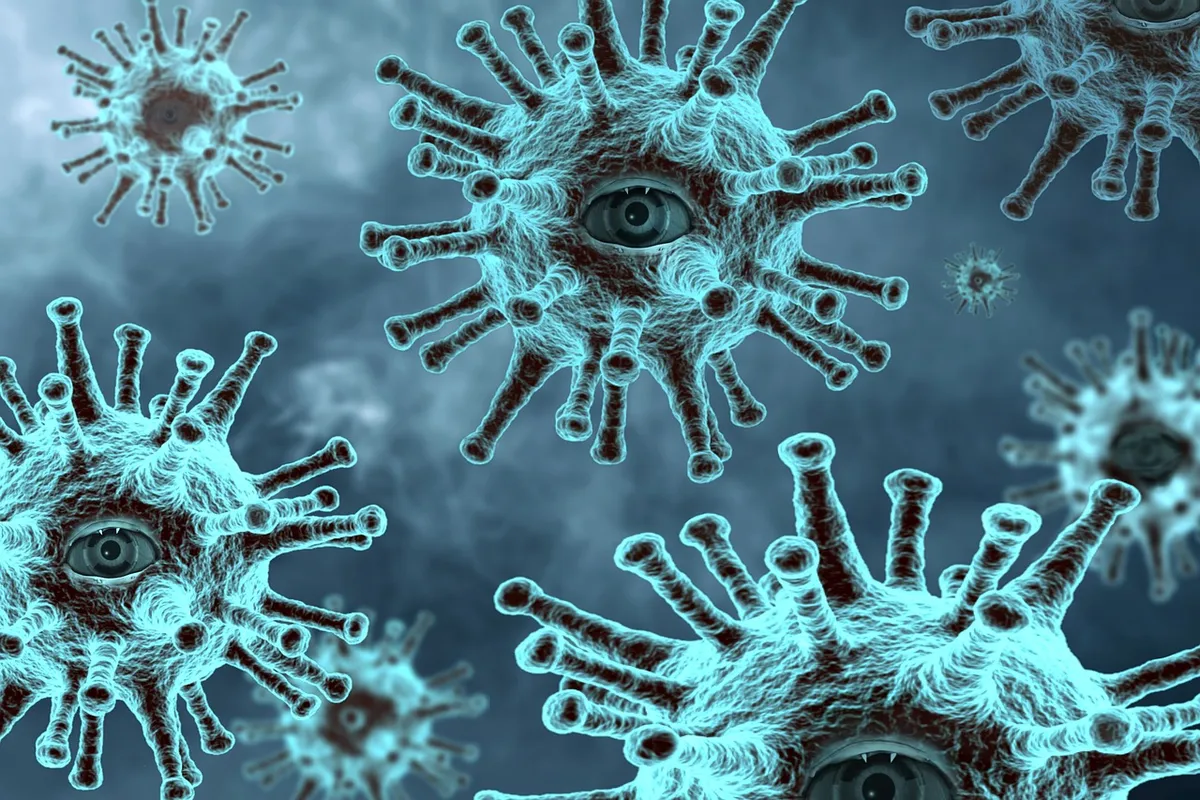
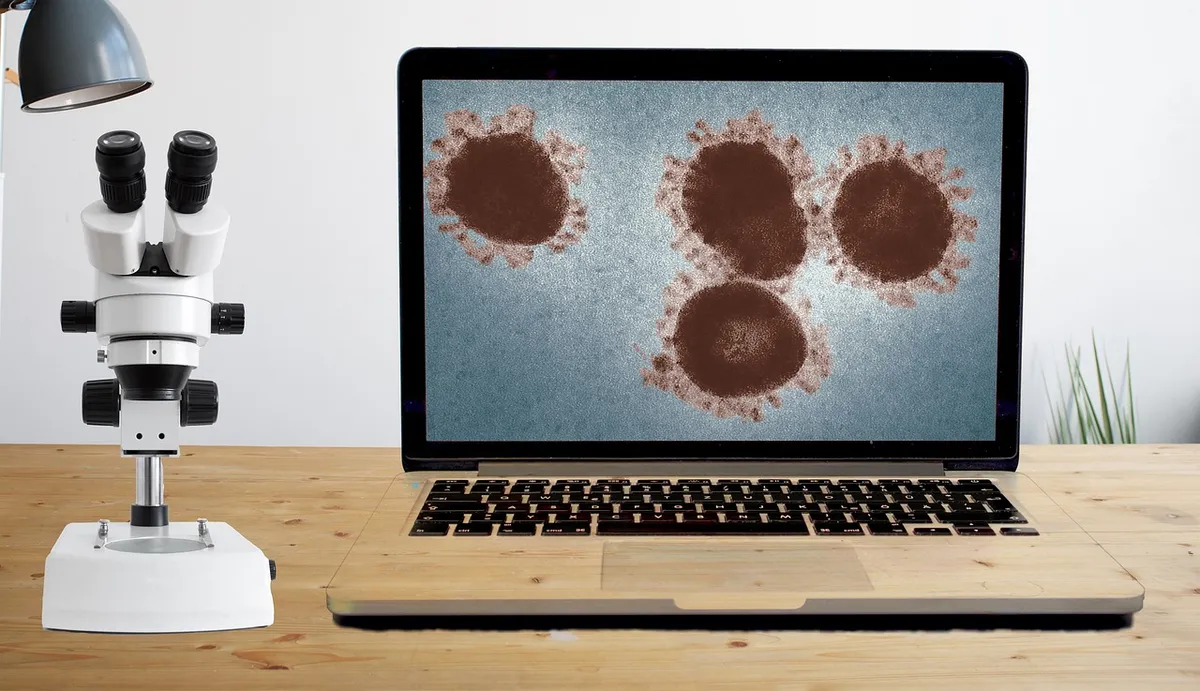
A scientist peers through a microscope, observing the distinct structures of various viral genera. The classification of these agents is essential for targeted biological research.
The classification of viruses helps researchers understand their behavior and transmission. For instance, the name "norovirus" for the genus was approved by the International Committee on Taxonomy of Viruses (ICTV) in 2002.
Such precise naming allows the scientific community to standardize research and develop specific interventions. This level of taxonomic clarity is fundamental when studying how different viruses might interact with the host microbiome.
In this sequence, the first step is the most fundamental.
How does research oversight affect virus-related studies?
An official reviews a thick stack of documents in a quiet government office, ensuring all research adheres to strict regulatory standards. Oversight ensures that experimental studies do not pose unintended risks.
According to the National Institute of Health, a research funding moratorium on select Gain-of-Function virus research was declared in January 2015.
Regulatory bodies manage the risks associated with advanced biological research. In January 2015, the National Institute of Health declared a research funding moratorium on select Gain-of-Function virus research.

This decision reflects the necessity of balancing scientific progress with global biosafety. Such measures are vital when considering how much we can manipulate or study viral characteristics in a laboratory setting.
What are the scales of experimental permits?
An administrator checks a map of a vast landscape, noting the boundaries of a pending environmental permit. The scale of these projects can be immense.
Large-scale applications can affect massive geographic areas.
A permit application has been pending since February 13, 2017 (USDA 17-044-101r) to extend the experimental use permit to an area of 513,500 acres, which would make it the largest permit of this kind ever issued by the USDA Biotechnology Regulatory Services.
This scale demonstrates the potential breadth of experimental applications. Managing such wide-reaching permits requires careful consideration of ecological and biological consequences.
How can we apply these findings to health management?
A person prepares a daily wellness routine, considering the different ways to support their internal environment. They look for ways to translate complex data into daily habits.
While the provided data focuses on historical infection rates and regulatory history, applying these concepts to health involves several considerations.
- Analyze historical health data to understand the prevalence of viral threats. 2. Follow updated taxonomic and scientific classifications to stay informed on specific pathogens. 3. Respect and adhere to the safety boundaries established by health and regulatory organizations.
I reviewed these historical statistics to see how they might relate to modern microbial support. It is important to remember that while we study virus transmission, we must work within the bounds of established safety protocols.
Related
- Microbiome 17.8% guide to maintaining gut health balance
- Harmful bacteria effect on body: Pathogen mechanism in host
Why is the intersection of viral pathology and microbial health so important? The intersection of viral pathology and microbial health remains a critical frontier for preventive medicine because understanding this interaction informs modern health maintenance approaches. This frontier demands a synthesis of knowledge regarding how viruses affect the body and how microbes contribute to overall wellness.
This combined view allows researchers to develop strategies that address the dynamic interplay between invaders and commensals. Recognizing this intersection is key to moving beyond merely treating illness toward proactively maintaining robust health defenses against viral threats.
Therefore, a deep dive into these interactions guides the development of interventions that support the body's natural balance against viral incursions.
What are the implications of scale in experimental permits? The scale of experimental permits dictates the potential scope of a study's application. A large-scale application, like the one referenced, suggests that the research could affect a vast expanse of land. This vastness underscores the need for rigorous monitoring of any biological experiment.
How does the scale compare to the initial application? Comparing the pending application to its eventual scope illustrates the magnitude of the project. The initial application sought to extend usage to a specific area, which ultimately became the largest of its kind under USDA review. This comparison emphasizes the logistical undertaking involved in such large-scale biological undertakings.
How does the intersection of viral pathology and microbial health inform intervention? The intersection of viral pathology and microbial health informs intervention by suggesting a multifaceted approach to wellness. Understanding how viruses challenge the body alongside the role of microbes allows for more nuanced health maintenance.
This integrated perspective moves beyond simply reacting to infection. Instead, it supports the body's inherent ability to maintain equilibrium against viral incursions. Such a view is crucial for developing proactive health management strategies rather than reactive treatments.
Therefore, recognizing the interplay between the viral and microbial aspects guides the creation of interventions that bolster natural defenses against viral threats.
Disclaimer: This article is general information, not medical advice. Consult a qualified healthcare professional before taking any supplement or medication.




Comments 0