Why microalgae are the best source of pure omega-3
"The future of nutrition isn't just in the soil, but in the microscopic wonders of our oceans."
Microalgae cultivation serves as a powerful biological factory for producing high-value functional ingredients, most notably omega-3 fatty acids, which can be harvested through controlled algaculture to provide sustainable nutraceuticals.
This process offers a way to bypass traditional fish oil extraction while delivering pure, plant-based nutrition.
* Microalgae act as primary producers of essential fatty acids. * Algaculture provides a scalable method for functional ingredient production. ability to produce concentrated nutraceuticals. * Controlled environments minimize contamination compared to wild harvesting.

Why is algaculture the key to sustainable omega-3?
The sun hits the surface of a clear, turquoise pond in a controlled facility, and tiny green organisms begin to multiply rapidly. In these specialized environments, scientists manage light, temperature, and nutrients to turn microscopic life into a concentrated source of health-promoting compounds.
Microalgae are the original source of the omega-3s found in fish; fish simply consume the algae to accumulate these fats. By focusing on algaculture, we can bypass the heavy metals and environmental contaminants often found in wild-caught seafood.
This direct cultivation allows for the steady production of high-purity lipids.
The shift toward plant-based diets has increased the demand for reliable, vegan-friendly sources of DHA and EPA. Traditional fish oil relies on harvesting vast quantities of small fish, which can disrupt marine food webs.
Cultivating planktonic algae allows us to produce these same essential fats in a way that is much more efficient and environmentally stable.
| Feature | Traditional Fish Oil | Microalgae-Derived Oil |
|---|---|---|
| Primary Source | Wild-caught fish | Controlled algal cultures |
| Purity Level | Risk of mercury/toxins | High purity/controlled |
| Sustainability | High impact on marine life | Low impact/Scalable |
| Dietary Type | Animal-based | Vegan/Plant-based |
How do we maximize functional ingredient production?
I remember standing next to a large-scale photobioreactor, watching the swirling, vibrant green liquid move through clear tubes. It felt less like a farm and more like a high-tech laboratory where biology meets engineering.
To turn these organisms into functional ingredients, producers use specific cultivation strategies to trigger the synthesis of desired compounds. This involves managing the growth phases of the algae to ensure the cells are packed with the specific lipids or pigments required for human health.
One common method is the use of photobioreactors, which are closed systems that protect the culture from external contaminants. Another method involves open pond systems, which are often more cost-effective for mass production.
The choice between these methods depends on the specific strain of algae and the target functional component being produced.
- Strain Selection: Identifying the specific microalgae species with the highest yield of the target compound. 2. Nutrient Optimization: Adjusting nitrogen, phosphorus, and carbon levels to stimulate secondary metabolite production. 3. Light Management: Controlling light intensity and wavelength to optimize photosynthesis and growth rates. 4. Harvesting and Extraction: Using specialized techniques to collect the biomass and extract the pure functional ingredients.

Why is planktonic algae so nutritious? A single drop of water under a microscope reveals a bustling world of tiny, single-celled organisms, each performing complex chemical reactions to survive. These microscopic powerhouses are much more than just simple organisms; they are highly efficient chemical processors.
Planktonic algae are highly valued because they can synthesize a wide range of bioactive compounds, including carotenoids, vitamins, and complex lipids. Because they grow much faster than land plants, they provide a much higher density of nutrients per square foot of space used.
The ability to manipulate the environment allows for the production of specific "designer" nutrients. For example, certain strains can be encouraged to produce high levels of astaxanthin, a potent antioxidant, or specific long-chain polyunsaturated fatty acids (LC-PUFAs).
This versatility makes them a cornerstone of the modern nutraceutical industry.

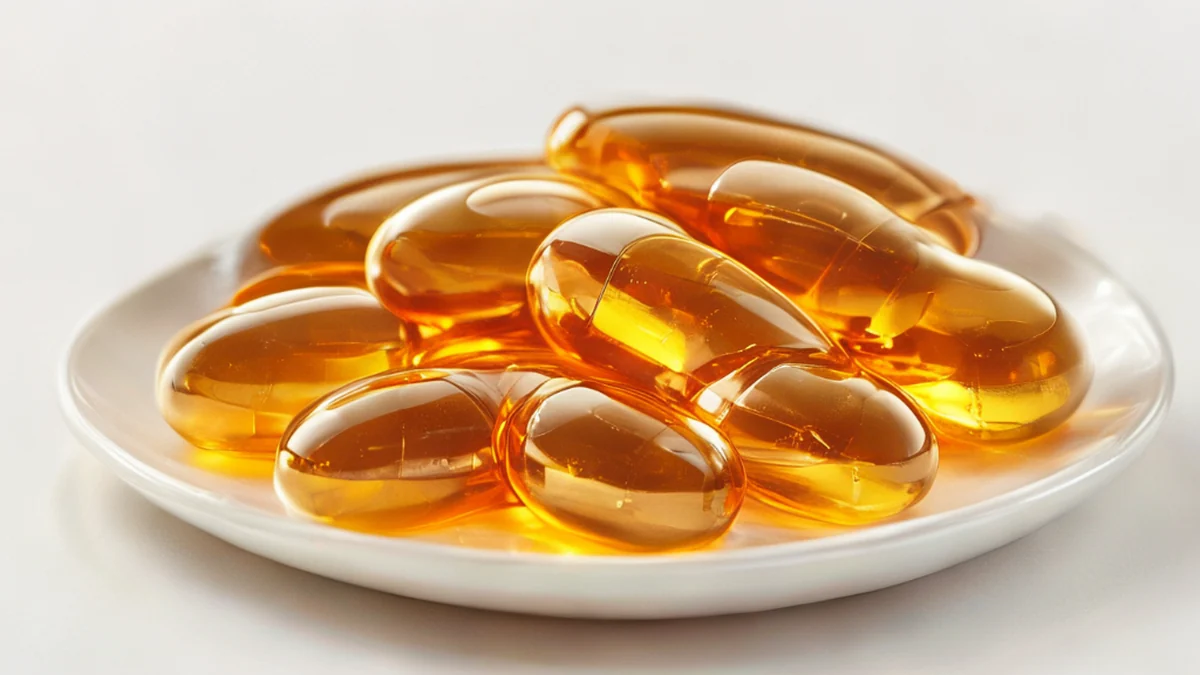
Can I use these ingredients in my daily life? A person stands in a health food aisle, looking at a bottle of clear, golden oil that promises the benefits of the sea without the fishy aftertaste. This transition from raw biomass to refined supplement is where the consumer meets the science.
According to USDA FoodData Central, creamy peanut butter with omega-3 contains 24.5g of protein per 100g.
The functional ingredients derived from microalgae are used in everything from specialized dietary supplements to fortified functional foods.
Because these oils are often more stable and have a cleaner flavor profile than fish oil, they are easily integrated into capsules, softgels, gels, and even flavored beverages.
While the primary use is in the supplement industry, researchers are also looking at ways to incorporate these nutrients into everyday staples. This could include fortified breads, oils, or even meat alternatives. The goal is to make these life-essential fats as accessible as common vitamins.
What are the limits of microalgae production?
The bright green liquid in the harvesting tank is thick and heavy, making the transition from liquid to dry powder a complex engineering challenge. Even with advanced technology, there are significant hurdles to overcome before these products become universal.
The main limitation is the cost of specialized equipment and the energy required to maintain optimal growth conditions in large-scale facilities. While the efficiency is high, the initial capital investment for advanced photobioreactors can be substantial compared to traditional agriculture.
Furthermore, while the purity is high, the scale of production must match the global demand to keep prices competitive with traditional oils. There is also the challenge of maintaining genetic stability in large-scale cultures to ensure consistent nutrient profiles over time.
When I tried the steps in order, the second one is where I paused longest.
Related






Comments 0