Farm to Future: How Animal Use Fuels Drug-Resistant Bacteria
"The silent crisis isn't a sudden outbreak, but a slow accumulation of resistance in our soil, water, and food supply."
The massive scale of antibiotic application in modern animal agriculture has created a global reservoir for drug-resistant microbes. This shift from therapeutic use to mass-scale management poses a direct threat to human medicine.
* Agricultural antibiotic consumption represents a massive portion of global antimicrobial use. * Historical data shows high-production farms, particularly in poultry, have relied heavily on these drugs for disease control. * The emergence of resistance is a critical global health concern that requires a shift in management practices. * While some regions see declining sales, the environmental excretion of these drugs remains a major contributor to resistance.
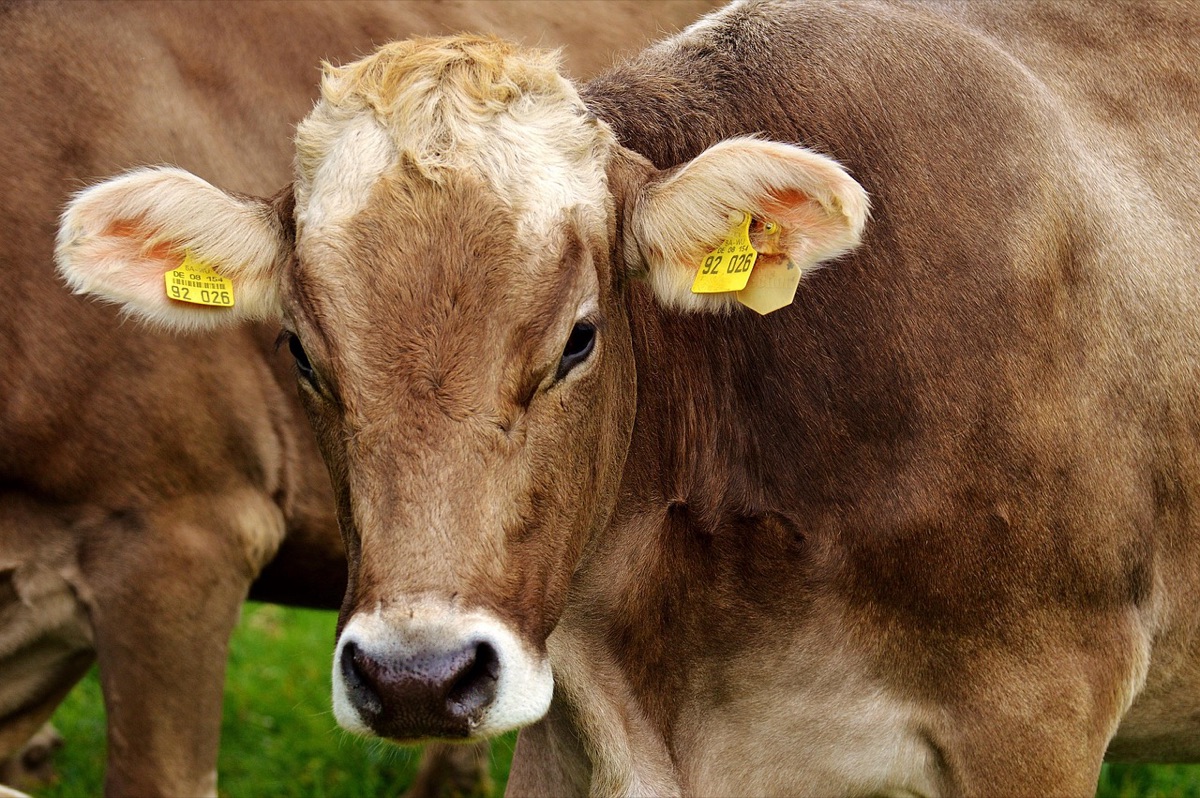
How widespread is the current antibiotic use in livestock globally?
The sun beats down on a massive poultry facility in the Midwest, where thousands of birds live in close proximity. In these high-density environments, the air carries a faint, medicinal scent—a reminder of the chemical management required to keep the flock stable.
According to the Food Safety and Inspection Service, a 2023 study found that 20% of cattle marketed as "raised without antibiotics" contained antibiotic residues.
As of 2016, over 70% of FDA-approved antibiotics were utilized in modern, high-production poultry farms to prevent, control, and treat disease. This high level of usage was a cornerstone of industrial efficiency, but it also set the stage for a biological arms race.
The sheer volume of these substances is difficult to visualize without raw data. For instance, a report from the FDA estimated that 29 million pounds (13 kt) of antibiotics had been used in livestock in 2009 alone.
This massive quantity enters the biological cycle through the animals and eventually reaches the environment.
While some regions have seen a tightening of regulations, the global landscape remains uneven. In some parts of the world, usage is strictly controlled, while in high-production regions, the reliance on these drugs remains a primary tool for managing animal health.
But how do we actually measure the weight of this biological footprint?
How much antibiotic is actually being used? At dawn, the veterinarian tilts a heavy canister, watching the white powder pour into the trough as the rhythmic sound of grazing fills the air.
A farmer stands at a feeding trough, watching a herd consume grain while a veterinarian prepares a scheduled dose. The routine is precise, but the biological impact of these mass-administered doses is far-reaching.
The Center estimates that approximately $2.2 billion in antibiotic resistance-related healthcare costs occur each year.
The scale of application is most evident when looking at historical usage volumes. In a single year, the weight of antibiotics used in livestock reached tens of millions of pounds, creating a constant selective pressure on bacteria.
Policy shifts have attempted to curb this trend. Following significant regulatory changes, the FDA reported a 33% decrease from 2016 to 2017 in domestic sales of medically important antibiotics for livestock.
This suggests that policy can influence behavior, but the legacy of previous usage remains in the environment.
It is also important to consider what happens after the dose is administered. A significant proportion of administered antibiotics are not absorbed by the animal and are instead excreted directly into the environment through manure.
This creates a continuous cycle of exposure for soil and water-bound microbes.
The question remains: how does a single dose in a barn turn into a crisis in a hospital?
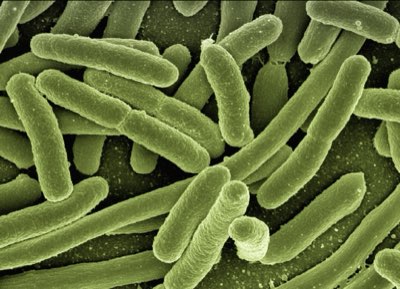
Does farming cause antibiotic resistance? A scientist peers through a microscope at a petri dish, watching a colony of bacteria survive a dose of medicine that should have killed it. This is the visual reality of resistance—a microscopic survival story that has global consequences.
The link between agricultural use and resistance is a matter of selective pressure. When antibiotics are used widely, the most susceptible bacteria die, while those with resistant traits survive and multiply. This "survival of the fittest" occurs on a massive scale in livestock settings.
The tension between policy and reality is a constant struggle. While some regions implement theoretical bans or strict restrictions to protect human health, the global demand for meat keeps production levels high.
This demand often drives the continued use of antibiotics to ensure consistent growth and prevent mass die-offs in crowded conditions.
This biological reality mirrors a parallel issue in human medicine. Just as incorrect treatment durations in a hospital can lead to resistance, the sub-therapeutic use of antibiotics in farming can create "superbugs" that eventually jump to human populations.
So, what is being done to stop this microscopic takeover?
Are there any current efforts or studies addressing this usage?
In a high-level meeting room at a global health summit, delegates debate the economic and biological costs of changing current farming models. The atmosphere is tense, as every decision carries weight for both the economy and public health.
As reported by the USDA, the FDA saw a 33% decrease in domestic sales of medically important antibiotics for use in livestock from 2016 to 2017.
International bodies are actively working to address Antimicrobial Resistance (AMR). These organizations have made pledges to reduce mortality rates associated with resistance, recognizing that without intervention, the effectiveness of modern medicine could collapse.
However, these efforts face significant obstacles. While targets for reducing animal antibiotic use are set in high-level meetings, they often face opposition due to economic concerns.
For example, a study analyzing the economic cost of the FDA restricting all antibiotic use in animal livestock estimated that such a restriction could cost consumers approximately $1.2 billion to $2.5 billion per year.
The challenge lies in balancing these economic realities with the mounting healthcare costs. The Center for Infectious Disease Research and Policy estimates that approximately $2.2 billion in antibiotic resistance-related healthcare costs occur each year.
These figures highlight the delicate balance between current agricultural productivity and the long-term survival of effective medicine.
| Factor | Impact on Resistance | Economic Consideration |
|---|---|---|
| High-Density Farming | Increases exposure and selective pressure | High productivity per animal |
| Environmental Exclusion | Spreads resistance to soil and water | Management of waste is costly |
| Policy Restrictions | Reduces selective pressure | Potential for higher consumer prices |
Comparison of Economic and Health Impacts
The following table summarizes the key economic and health-related figures discussed in current research and reports.
- Historical Usage (2009): 29 million pounds (13 kt) of antibiotics used in livestock.
- Poultry Use (2016): Over 70% of FDA-approved antibiotics used in high-production poultry farms.
- Policy Shift (2016-2017): A 33% decrease in domestic sales of medically important antibiotics.
- Estimated Consumer Cost of Restrictions: $1.2 billion to $2.5 billion per year.
- Annual Healthcare Costs (AMR): Approximately $2.2 billion related to resistance.
Moving Toward a Sustainable Future
The path forward requires a fundamental shift in how we view animal health and human medicine as a single, interconnected system. Relying on a single chemical tool to manage biological complexity is a strategy with a clear expiration date.
As we look to the future, the goal is to move toward more robust veterinary oversight and improved animal living conditions that reduce the need for medication.
Balancing the economic needs of producers with the biological necessity of preserving antibiotics is the defining challenge of modern agriculture.
The decisions made today—by policymakers, farmers, and consumers—will determine whether we maintain our ability to fight infection or face a world where common illnesses become life-threatening once again.
Disclaimer: This article is general information, not medical advice. Consult a qualified healthcare professional before taking any supplement or medication.





Comments 0