Bacterial phylodynamics: Strain evolution guide 90
"The vast diversity of microscopic life presents a massive data gap, where the vast majority of species remain largely unmapped by modern science."
Bacterial phylodynamics data is generated through the constant tracking of strain evolution dynamics and the analysis of how pathogens move through populations.
This process helps researchers understand how genetic changes influence disease progression data and how bacterial evolution models can predict future outbreaks.
This article explores the current state of microbial data, the focus of existing research, and the challenges of mapping the bacterial world.
How does bacterial phylodynamics data shape our understanding?

At dawn in the quiet laboratory, the scientist rubbed tired eyes while tracing the shifting branches of bacterial phylodynamics data on the glowing screen.
A scientist peers through a microscope, observing the rapid division of a single cell. Understanding how these organisms change over time requires massive amounts of bacterial phylodynamics data to track shifts in genetic makeup.
This information is essential for monitoring how specific traits emerge within a population.
The generation of such data involves analyzing how genetic variations manifest during transmission and infection. By studying these shifts, researchers can interpret how strain evolution dynamics contribute to changing infection patterns.
This work is critical because even slight genetic changes can alter how a pathogen interacts with a host environment.
Tracking microbial evolution allows scientists to see how specific lineages become dominant in certain environments. This process provides a window into how much of the genetic diversity is actually being captured by current technology.
Without this data, the relationship between mutation and survival remains partially obscured.
- Collect genomic sequences from diverse environmental sources.
- Reconstruct phylogenetic trees to map evolutionary lineages.
- Integrate temporal data to estimate population dynamics.
- In this sequence, the second step is the most extensive.
Why is the focus on specific pathogens so narrow?
At midnight in the quiet office, the researcher rubbed tired eyes while scrolling through the narrow database of bacterial entries.
A researcher scrolls through a database, noticing that most entries belong to the same handful of well-known species. This concentration occurs because 90% of scientific studies on bacteria focus on less than 1% of species, mostly pathogenic bacteria relevant to human health.
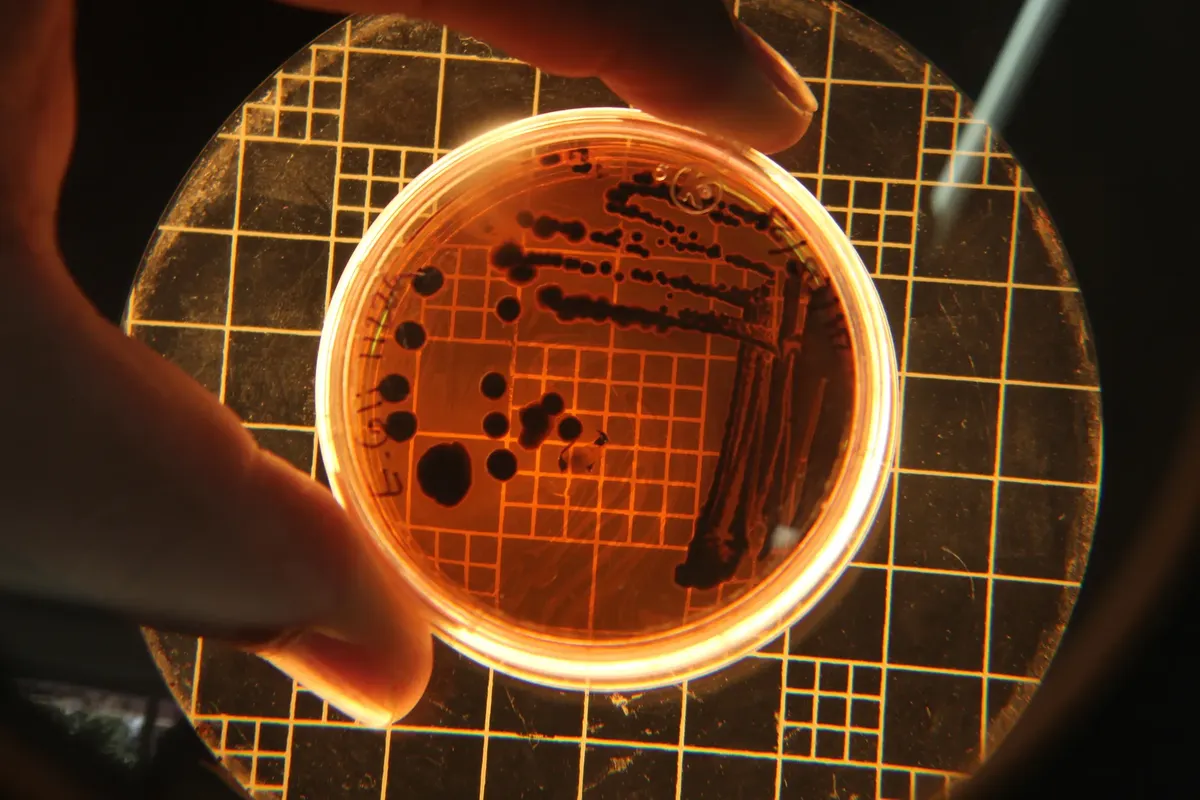
As reported by the CDC, using FoodNet data from 2000 to 2007, it was estimated that there were 47.8 million foodborne illnesses per year, with 9.4 million of these caused by 31 known identified pathogens.
This creates a heavy bias in our global understanding of microbial life.
The current research landscape is heavily weighted toward organisms that directly impact human survival. While the vastness of the microbial world is immense, the data we possess is highly specialized. This focus helps address immediate health crises but leaves much of the natural world unexamined.
This concentration of effort is a primary driver of how we interpret disease course modeling. Because we focus on a tiny fraction of diversity, our models are highly tuned to human-centric pathogens.
This prioritization ensures that immediate threats are understood, even if it leaves much of the biological landscape in the dark.
What are the challenges in tracking strain diversity?
A technician prepares a culture, knowing that the sheer volume of different bacteria makes comprehensive sampling difficult. The primary challenge lies in the fact that only around 2% of bacterial species have been fully studied. This represents a massive blind spot in our global biological records.
The disparity between known and unknown species creates significant hurdles for researchers. While we have deep knowledge of certain groups, the vast majority of life remains a mystery. This creates a fragmented view of the natural world where we only see the most visible players.
In the context of strain diversity tracking, this imbalance means we may be missing critical ecological players. If we only study the most common pathogens, we might overlook how other species influence the environment. This imbalance is a fundamental limitation of current biological research.
How do we manage the data gap in bacterial evolution models?

A biologist compares two different genetic sequences, looking for the subtle markers of change. The data gap is widened by the fact that just 10 bacterial species account for half of all publications, whereas nearly 75% of all named bacteria have no academic research devoted to them.
According to the WHO, the report on surveillance of antibiotic consumption published in 2018 analysed 2015 data from 65 countries.
This creates an uneven foundation for scientific modeling.
The uneven distribution of research means that our models are often built on a very narrow set of assumptions. When we try to project how a pathogen might behave, we are often basing those projections on a tiny subset of known life.
This lack of breadth can lead to unexpected results when new species emerge.
Building better bacterial evolution models requires expanding our scope beyond the most studied organisms. Without a more representative dataset, our ability to predict the behavior of novel strains is limited. We are essentially building a map with only a few landmarks.
What happens when we apply these findings to food safety?
A chef checks the temperature of a steaming dish to ensure it is safe for consumption. Understanding the rapid growth of bacteria is vital when managing food safety in a kitchen.
Based on data from USDA FoodData Central, a serving of Restaurant, Chinese, general tso's chicken contains 12.9g of protein, 1230kj of energy, 0.9g of dietary fiber, 1.16mg of iron, 18mg of magnesium, 435mg of sodium, 11ug of vitamin A, 0.2ug of vitamin D, 1.6mg of vitamin C, and 11ug of folate.
For example, bacteria grow most rapidly at the range of temperatures between 40 and 140 °F (4 and 60 °C), called the "danger zone."
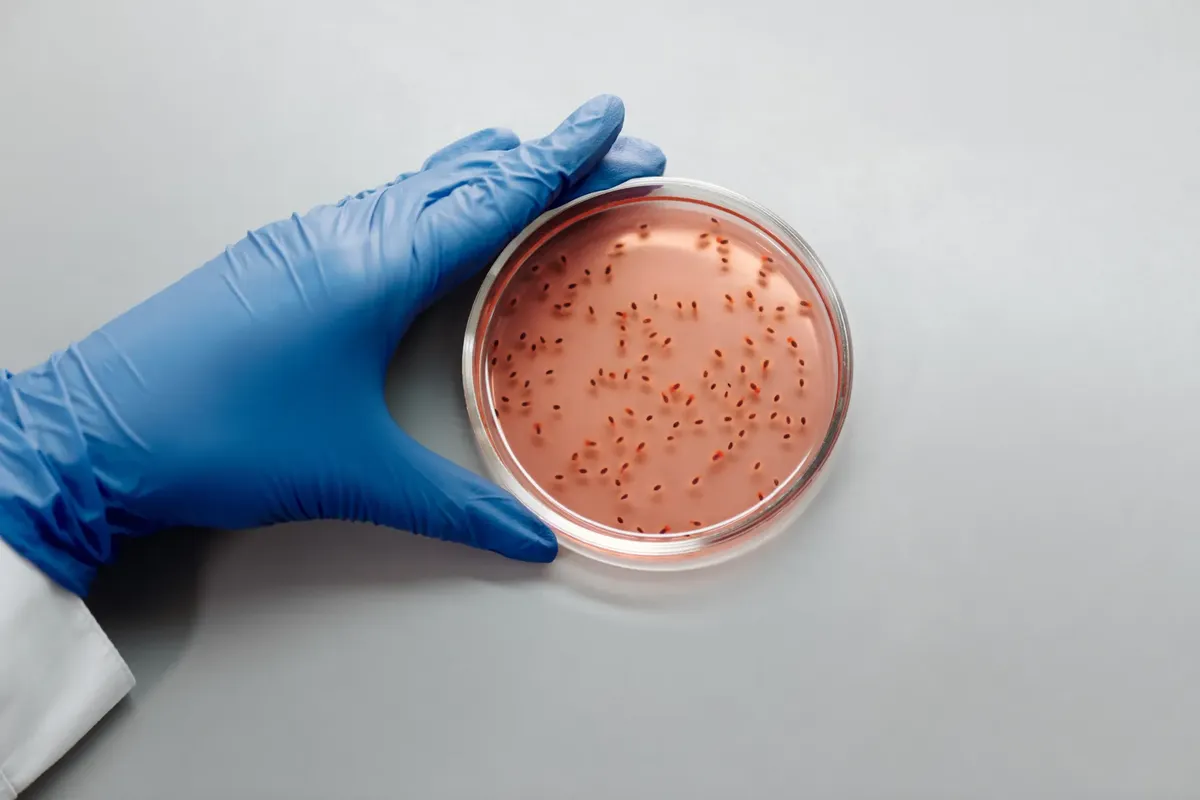
Applying the knowledge of how bacteria grow helps in setting safety protocols. When food is reheated, it must reach an internal temperature of 165 °F (74 °C) or until hot or steaming to kill bacteria. These practical applications are the direct result of years of studying microbial growth.
| Condition | Temperature Range |
|---|---|
| Danger Zone | 40 to 140 °F |
| Reheating Target | 165 °F |
I find that applying these specific temperature guidelines is the most effective way to prevent the spread of pathogens in a domestic setting. These rules are designed to interrupt the rapid growth cycles of bacteria.
A limitation of this research is that focusing on human-centric pathogens may overlook the role of non-pathogenic bacteria in environmental health.
The same subject is also called Pathogen dynamics data.
Related
- Toxin A apoptosis: C. difficile toxin A apoptosis guide
- Gut Bacteria: How They Survive Body Heat 37°C
Disclaimer: This article is general information, not medical advice. Consult a qualified healthcare professional before taking any supplement or medication.




Comments 0