Food Safety: 48 Million Annual Illnesses Demand Vigilance
"The most dangerous bacteria are often the ones you can't see, smell, or taste."
Understanding the invisible boundary between safe nourishment and foodborne illness requires looking past the surface of our meals to the microscopic battleground within our food supply.
* Distinguishing between spoilage organisms and true foodborne pathogens is critical for food safety. * Pathogenic bacteria are identified by specific biological traits—such as toxin production or infection ability—rather than just visible decay. * Risk levels are determined by the type of pathogen, the food matrix, and the susceptibility of the consumer. * Scientific standards, including Colony Forming Units (CFU) and presence/absence criteria, dictate whether food is fit for consumption.

What are the primary types of harmful bacteria found in food?
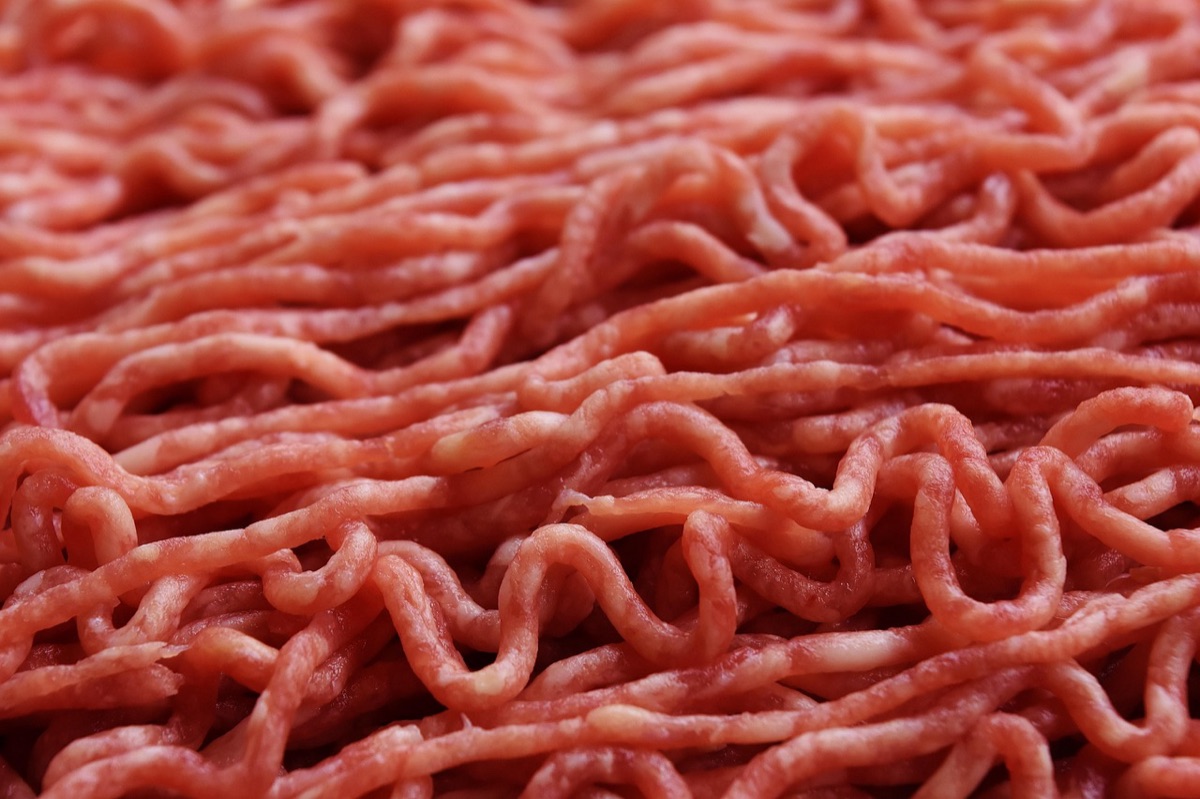
A heavy ceramic plate sits on a wooden table, holding a perfectly cooked steak that looks appetizing but carries an invisible risk. In this moment, the distinction between two types of bacteria determines whether the meal is a source of strength or a source of sickness.
Pathogenic bacteria are fundamentally different from spoilage bacteria. Spoilage organisms are the ones that turn milk sour, make bread moldy, or give meat a funky smell; while they make food unappealing, they don't always cause illness. Pathogens, however, are the true threats.
They can be present in food that looks, smells, and tastes perfectly normal, yet they possess the biological ability to cause disease.
Major pathogen categories generally fall into two groups: infection-type and toxin-type. Infection-type bacteria, such as *Salmonella* or *Listeria*, are swallowed and then multiply within the human gut to cause illness.
Toxin-type bacteria, like *Staphylococcus aureus* or *Clostridium botulinum*, produce poisonous substances in the food itself before it is even consumed.
Common culprits like *E. coli*, *Campylobacter*, and *Salmonella* often exploit the "food matrix"—the specific environment of the food itself. Factors like moisture content, pH levels, and protein levels dictate which bacteria will thrive in a specific ingredient.
But how do we actually measure these invisible threats in a lab setting?
What are the scientific criteria for detecting foodborne risks?
A lab technician peers through a microscope at a petri dish, counting tiny white dots to determine if a batch of spinach is safe to ship to grocery stores. This process is the backbone of modern food safety.
Microbiological standards often rely on Colony Forming Units (CFU) per gram. Scientists use these quantitative counts to measure how much bacterial growth is present to determine if a food meets safety levels.
However, for certain high-risk pathogens like *Listeria monocytogenes*, the standard is "zero tolerance," meaning any presence at all results in an immediate rejection of the batch.
The role of expert evaluation is also vital.
According to a 2024 comprehensive review in food science and food safety, only veterinary and food safety (FS) experts were able to accurately value the plausibility of foodborne transmission when evaluating bacteria and viruses.
The study showed that expertise levels directly correlated to how accurately professionals could select pathogen-producing factors.
Detection methods have evolved from traditional culture methods—growing bacteria in a lab to see what happens—to rapid molecular methods like PCR and DNA sequencing. These modern tools allow scientists to identify specific strains in hours rather than days.
But even with advanced technology, the scale of the problem remains massive.
How much of a threat do foodborne illnesses pose globally?
A mother sits in a hospital waiting room, clutching a coffee cup while staring at the flickering fluorescent lights of the hallway. The scale of foodborne illness is often hidden behind these individual moments of crisis.
The sheer volume of foodborne illness is staggering. In the United States, using FoodNet data from 2000 to 2007, the CDC estimated there were 47.8 million foodborne illnesses per year, with 16,000 cases occurring for every 100,000 inhabitants.
Of these, 9.4 million cases were caused by 31 known identified pathogens.
The human cost is even more significant. The Centers for Disease Control and Prevention (CDC) estimates that foodborne diseases cause approximately 48 million illnesses, 128,000 hospitalizations, and 3,000 deaths in the United States each year.
Because of this complexity, identifying the specific pathogen is not just a scientific exercise; it is a vital public health response. Knowing whether an outbreak is caused by a virus or a specific bacterial strain allows health officials to target the source and prevent further spread.
However, understanding the math doesn't help you when you are staring at a carton of milk in your own kitchen.
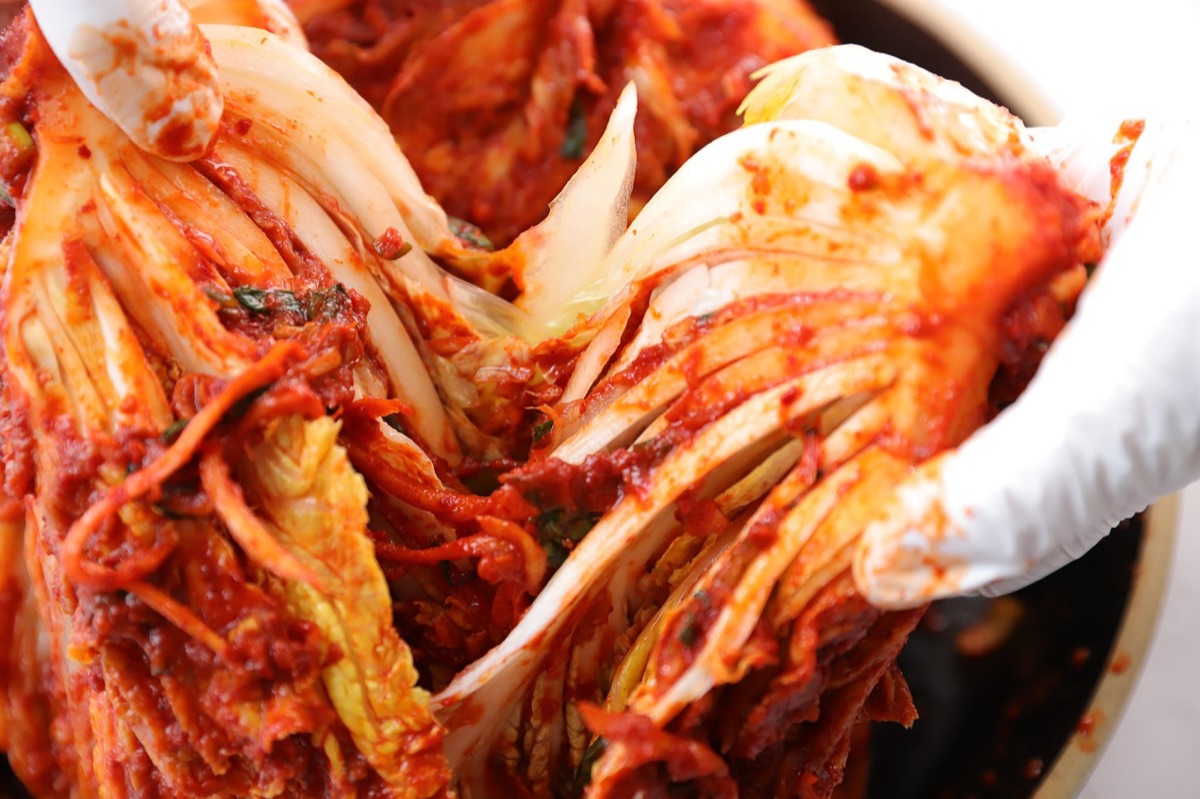
How can we distinguish between "spoiled" food and "dangerous" food?
A grocery shopper picks up a carton of milk that is two days past its "sell-by" date, noting that it still smells fresh and looks white. This is the sensory trap that can lead to severe illness.
The most important rule of food safety is that food can be "dangerous" without being "spoiled." While spoilage is visible, pathogens are often invisible. A piece of meat might look fresh but contain enough *Salmonella* to cause an infection.
Temperature control is the primary defense against this. The "Danger Zone"—typically between 40°F and 140°F (5°C to 60°C)—is the temperature range where bacterial growth accelerates rapidly. Keeping cold foods cold and hot foods hot is the most effective way to manage these risks.
Cross-contamination is another invisible risk. Pathogens can move from raw chicken to a cutting board, then to a salad, effectively bypassing the safety of the cooked meal.
Understanding the difference between shelf-life stability (how long food lasts) and microbiological safety (whether it is safe to eat) is crucial for every household.
| Feature | Spoilage Bacteria | Pathogenic Bacteria |
|---|---|---|
| Visual Change | Often visible (mold, slime, discoloration) | Often invisible (no change to appearance) |
| Smell/Taste | Often detectable (sour, rotten) | Often undetectable (no change to flavor) |
| Primary Risk | Food quality and unpleasantness | Infection, toxin-induced illness, death |
| Goal of Control | Extend shelf life and quality | Prevent human illness and death |
But how do you actually apply these rules to your own dinner prep?
What are the best practices for safe food selection and management?
A family gathers around a kitchen island to prep a Sunday dinner, carefully separating the raw beef from the fresh vegetables on different cutting boards. They are practicing the principles of food safety to protect their health.
Effective food management starts with source verification. Choosing suppliers who have verified microbiological control reduces the risk of bringing pathogens into your home. When shopping, always check for integrity in packaging—avoid dented cans or broken seals.
Consumers can apply "HACCP" (Hazard Analysis and Critical Control Points) logic at home to manage risks. This involves identifying where danger might occur and implementing controls.
When I am prepping a large meal at my own kitchen table, I follow a strict routine to ensure no mistakes are made. I have found that having a designated "raw zone" and a "ready-to-eat zone" is the only way to stay organized.
- Separate: Use different cutting boards and utensils for raw meats and ready-to-eat foods to prevent cross-contamination.
- Clean: Wash hands, surfaces, and equipment frequently with soap and water.
- Cook: Use a food thermometer to ensure meats reach their safe internal temperatures to kill pathogens.
- Chill: Refrigerate leftovers and perishables immediately to stay out of the temperature danger zone.
- Trace: Keep track of expiration dates and understand that "use by" dates are often about quality, while "expiration" dates can be about safety.
While these steps are vital, it is important to note that these practices are preventive. They are designed to reduce risk but cannot replace medical intervention if an infection occurs.
#





Comments 0