Gut Health 101: Comparing Oligosaccharides and Fiber
"Not all fuel is equal: understanding how specific prebiotic structures dictate which beneficial bacteria thrive in your gut."
Choosing the right prebiotic is like choosing the right fuel for a complex engine; if you use the wrong grade, the system might clog or run inefficiently.
For those looking to optimize their gut health, understanding the nuances between fiber and oligosaccharides is the first step toward a stable microbiome.
* Prebiotics are non-digestible carbohydrates that selectively stimulate the growth of beneficial bacteria. * Chemical structures like FOS, GOS, and Inulin target different bacterial phyla, such as *Bacteroidota* and *Bacillota*. * Microbial diversity is the primary goal, but "one size fits all" does not apply to different fiber types. * Strategic selection can optimize the production of Short-Chain Fatty Acids (SCFAs) and metabolic health.

What is the fundamental difference between prebiotic types?
At dawn, you lean over the wooden table and watch the steam rise from your breakfast, wondering why one spoonful feels heavy while another vanishes.
Sitting at a kitchen table in the early morning of July 2026, you stare at a bowl of steel-cut oats and a small glass of juice, wondering why they feel so different in your stomach. The oats provide a heavy, slow fullness, while the juice feels like it vanishes almost instantly.
The answer lies in the molecular architecture of the carbohydrates you consume.
Prebiotics are essentially non-digestible carbohydrates that serve as the primary "food" for the trillions of microbes living in your large intestine. Because the human body lacks the enzymes to break these specific chemical bonds in the small intestine, they travel intact to the colon.
Once they arrive, they become the foundation for fermentation.
The fundamental difference between prebiotic types is their chemical structure—specifically their molecular weight and the types of glycosidic bonds they contain.
For example, a small oligosaccharide might be fermented quickly in the upper part of the colon, while a long-chain polymer like inulin might travel much further down the digestive tract.
This leads to the concept of "Selective Fermentation." Not every bacterium can eat every type of fiber. For instance, certain species like *Bisidobacterium* have specialized enzymes designed to break down specific oligosaccharides.
If you only provide one type of fuel, you may inadvertently favor one group of bacteria while starving others. This balance is critical for the production of metabolic byproducts known as Short-Chain Fatty Acids (SCFAs), which are vital for colon health and systemic inflammation control.
But if the structure determines the speed, how do we compare the actual effectiveness of these different chains?
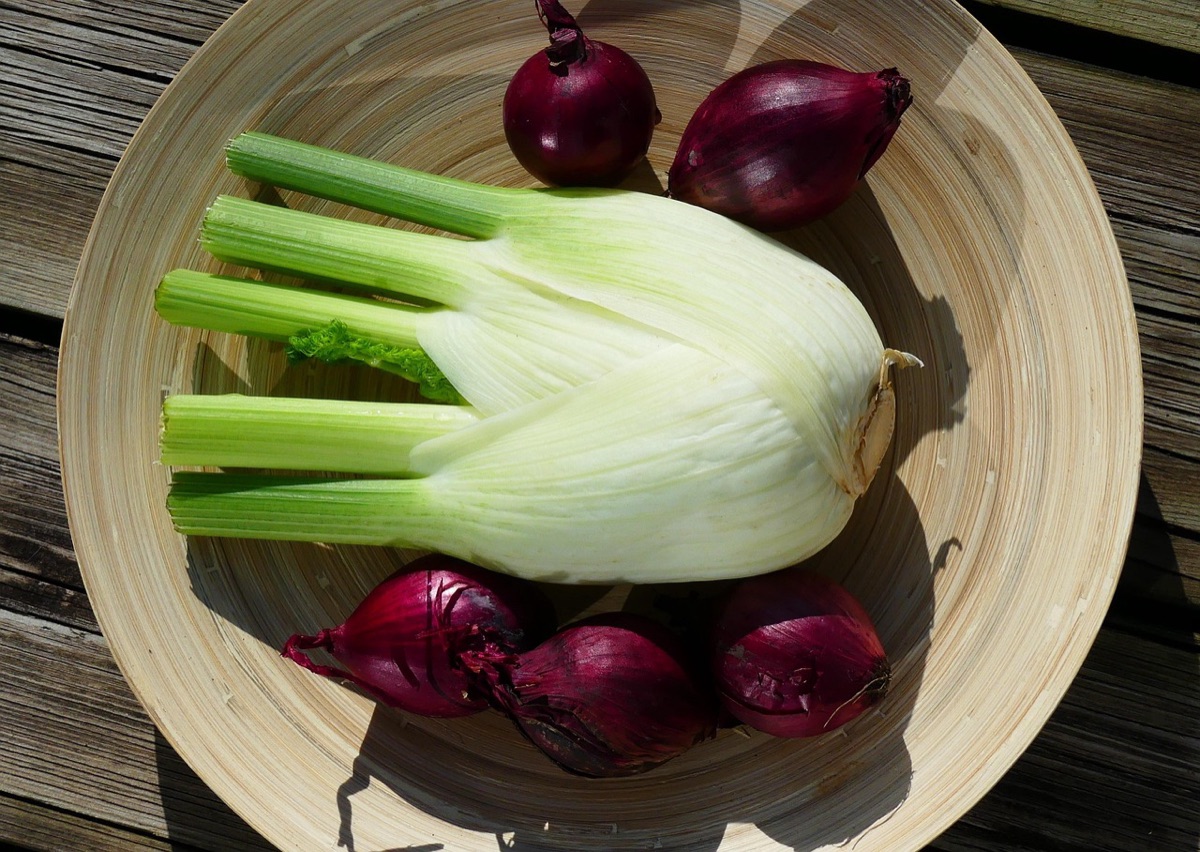
Comparing Oligosaccharides vs. Dietary Fibers: Which works better?
Walking through a crowded grocery store aisle in the afternoon, the sheer variety of "high fiber" labels can make it difficult to decide which product will actually support your gut. You might pick up a box of processed fiber supplements only to realize they don't match the whole foods in your cart.
Oligosaccharides—such as Fructooligosaccharides (FOS), Galactooligosaccharides (GOS), and Mannan-oligosaccharides (MOS)—are relatively short chains of sugar molecules.
Because they are small, they are often "fast-fermenting." This means they are highly selective and are frequently used in supplements to target specific strains, particularly *Bifidobacterium*.
While they are effective for quick shifts in microbial populations, they can sometimes cause more immediate gas if consumed in large amounts too quickly.
In contrast, soluble dietary fibers like Inulin, Pectin, and Gum Arabic consist of much longer carbohydrate chains. These are "slow-fermenting" substrates. They provide sustained energy to a much wider range of bacteria as they move through the large intestine.
This creates a "Fermentation Gradient." While oligosaccharides might be processed in the proximal (front) part of the colon, longer fibers provide fuel for the distal (end) zones, ensuring the entire length of the large intestine remains a healthy environment.
Insoluble fibers, such as Cellulose and Lignin, serve a different purpose. They are not primarily fermented for microbial fuel but act as mechanical bulking agents.
They help with transit time—the speed at which food moves through you—but they do not offer the same level of selective fermentation as the soluble varieties. For a healthy gut, you need the balance of both: the mechanical movement of insoluble fiber and the biological fuel of soluble fiber.
However, the most important question remains: how do these different fuels actually change the inhabitants of your gut?
How do different prebiotics shape the gut microbiota composition?
Looking at a microscopic slide of a stool sample, the sheer complexity of the bacterial landscape is staggering. It is easy to forget that we are walking ecosystems, host to trillions of living organisms.
The human gut is dominated by two major phyla: *Bacteroidota* and *Bacillota*. These two groups constitute the vast majority of the microbial community. Different prebiotics can shift the balance between these groups.
For example, certain oligosaccharides can specifically boost the prevalence of certain genera, like *Bifidobacterium* and *Lactobacillus*, which are often associated with a healthy, youthful microbiome.
The impact of prebiotics is often seen at the species level. For instance, certain fiber types support the growth of *Faecalibacterium prausnitzii*, a species known for its role in maintaining the gut lining.
Because the gut is composed of many different players—with about 99% of the bacteria being anaerobes—the goal of prebiotic use is rarely about "adding" one thing, but about managing the diversity of the existing ecosystem.
A single-source diet—relying only on one type of fiber—can lead to a "monoculture" in the gut. Using a mix of prebiotic types is superior because it ensures that different bacterial groups have the fuel they need to thrive. This diversity is the hallmark of a robust, resilient ecosystem.
| Prebiotic Type | Fermentation Speed | Primary Function | Common Sources |
|---|---|---|---|
| Oligosaccharides (FOS/GOS) | Fast | Targeted bacterial growth (e.g., *Bifidobacterium*) | Onions, garlic, chicory |
| Soluble Fiber (Inulin) | Slow/Moderate | Sustained energy for diverse bacteria | Jerusalem artichokes, chicory |
| Insoluble Fiber | Minimal | Mechanical transit and stool bulking | Whole grains, vegetable skins |
But how do you actually implement this without causing digestive chaos?

Practical Guide: How to choose and consume prebiotics safely
Standing in the supplement aisle, feeling overwhelmed by the different dosages and labels, you realize that more is not always better.
When I first started experimenting with high-dose inulin in 2025, I thought more fiber equaled more health, but the resulting bloating was a painful lesson in the importance of pacing.
To avoid the common pitfalls of GI distress—such as bloating, cramping, or gas—you must follow the "Start Low, Go Slow" rule. Because fermentation produces gas as a byproduct, introducing large amounts of fiber or oligosaccharides suddenly can overwhelm your current bacterial population.
Start with small, measured amounts and gradually increase your intake over several weeks to allow your microbes to adjust.
When considering supplements, think about "Synergistic Combinations." This is known as synbiotics—pairing a prebiotic (the food) with a probiotic (the bacteria). For example, taking a *Bifidobacterium* supplement alongside GOS can help the bacteria colonize more effectively.
How to integrate prebiotics into your routine:
- Incorporate Whole Foods First: Use natural sources like onions, garlic, leeks, and chicory root to provide a natural mix of fibers.
- Introduce Purified Powders Gradually: If using supplements like Inulin or FOS, start with a teaspoon-sized dose to test your tolerance.
- Monitor Your Body: Pay attention to the difference between "healthy fermentation" (mild, passing gas) and "adverse reactions" (sharp pain or significant bloating).
- Vary Your Sources: Rotate between different fiber sources (grains, legumes, vegetables) to ensure you are feeding a wide variety of bacterial species.
It is important to note that these recommendations are for healthy individuals looking to support their digestive health. If you have existing conditions like Irritable Bowel Syndrome (IBS) or severe digestive sensitivities, certain high-fermentation fibers (like FOS) may trigger symptoms.
Always consult a healthcare professional if you experience persistent pain.
Summary: The roadmap to a diverse microbiome
Navigating the world of prebiotics is about understanding the relationship between the structure of the food and the response of the microbes. The journey to a healthy gut is not about finding a single "magic" fiber, but about providing a diverse menu for your internal ecosystem.
By understanding the difference between the fast-acting oligosaccharides and the sustained energy of long-chain fibers, you can tailor your intake to support the entire length of your digestive tract. Remember: the goal is microbial diversity.
A robust gut thrives when it has many different types of fuel to support many different types of beneficial bacteria. Start small, diversify your diet, and listen to your body as you build a more resilient microbiome.
#







Comments 0