Preserving Food with Radiation: Science & Safety Guide
"The science of preservation has evolved to meet a growing world, turning once-mysterious technologies into standardized tools for food safety."
While the concept of using radiation on food may sound like science fiction to some, it is a precisely controlled method of microbial control that has been used safely for decades.
This article examines the scientific validity of food irradiation and tracks how global consumer acceptance has transitioned from skepticism to widespread recognition since the early 1990s.
Key Takeaways: * Food irradiation is a controlled process using ionizing radiation to eliminate pathogens without making food radioactive. * Global consumer acceptance of irradiated products has seen a significant upward trend since 1992.
* Technical doses are strictly regulated to meet specific preservation goals, such as insect control or pathogen reduction. * The massive scale of global food loss underscores the necessity of advanced preservation technologies.

The Science of Controlled Dosimetry
A scientist stands in a sterile laboratory, adjusting a dial on a machine that emits a precise, invisible beam. This controlled environment ensures that every gram of material receives exactly the amount of energy required to achieve a specific biological outcome.
Food irradiation involves exposing food to ionizing radiation to kill bacteria, parasites, and insects. This is not a "cooking" process but a sterilization-adjacent technique that targets DNA to prevent microbial growth.
Technicians use different levels of radiation—low-dose (up to 1 kGy), medium-dose (1–10 kGy), and high-dose (above 10 kGy)—depending on whether the goal is sprout inhibition, insect control, or pathogen reduction.
The process relies on the physics of energy transfer to ensure food remains safe for consumption. Because the radiation does not pass through to the consumer, it serves as a powerful tool for extending shelf life.
How Radiation Penetrates and Preserves
Late at night, an operator watches the conveyor belt glide through the shielded chamber where a sharp metallic scent lingers in the air.
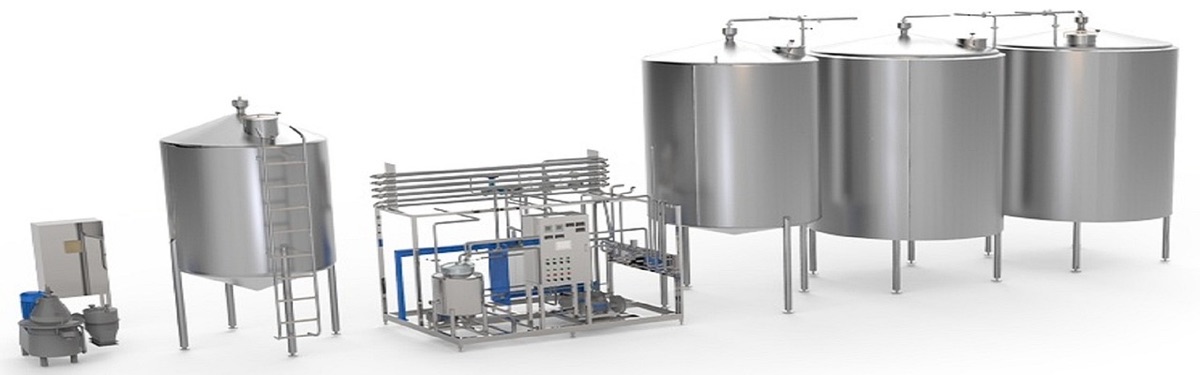
An operator watches a conveyor belt move a pallet of packaged goods through a shielded chamber, where X-rays pass through the products to ensure uniform treatment. The efficiency of the machine is a constant calculation of energy versus output.
The use of X-rays is a common method because of its high penetration depth, which allows for the treatment of large batches of food. However, engineers must manage the energy conversion efficiency, which is often noted to be only about 8% in certain high-energy setups.
Despite this, the uniformity of the dose across a package is a primary advantage over other methods.
Different food items require specific dosages to be effective without altering sensory qualities. For instance, historical data from 2021 showed that certain products like frog legs might receive a dose of 65.1%, while poultry might be treated at 20.6% to ensure safety.
| Application Type | Typical Goal | Dose Level Context |
|---|---|---|
| Low Dose | Sprout inhibition / Chemically induced ripening | Up to 1 kGy |
| Medium Dose | Insect disinfestation | 1–10 kGy |
| High Dose | Sterilization / Pathogen reduction | Above 10 kGy |

Why is the global food loss crisis so massive?
A farmer looks over a field of ripening crops, knowing that a significant portion of the harvest will never reach a dinner plate due to spoilage or transport issues. This gap between production and consumption is a mounting global challenge.
A 2013 report from the British Institution of Mechanical Engineers (IME) estimated that 30–50% of all food produced remains uneaten. According to a 2012 Natural Resources Defense Council report, it was interpreted that Americans threw away up to 40% of food that was safe to eat.
The necessity of preservation technologies is highlighted by the staggering amount of food lost during the supply chain. According to the FAO's The State of Food and Agriculture 2019 report, around 14 percent of the world's food was lost from production before reaching the retail level in 2016.
This loss occurs at every stage, from the farm to the warehouse.
The scale of waste is even more pronounced when looking at total production. Various international estimates suggest that a significant portion of all food produced—ranging from 30% to 50%—remains uneaten. This represents between 1.2 and 2 billion tonnes of food annually.
* The scale of loss is a global issue affecting food security. * Loss occurs most frequently before the retail level. * Household-level awareness is increasing, as seen in research showing 52% of Australian households grow their own food to mitigate these issues.
But how did we go from fear to acceptance?
The shift in consumer acceptance: Why did trust grow?
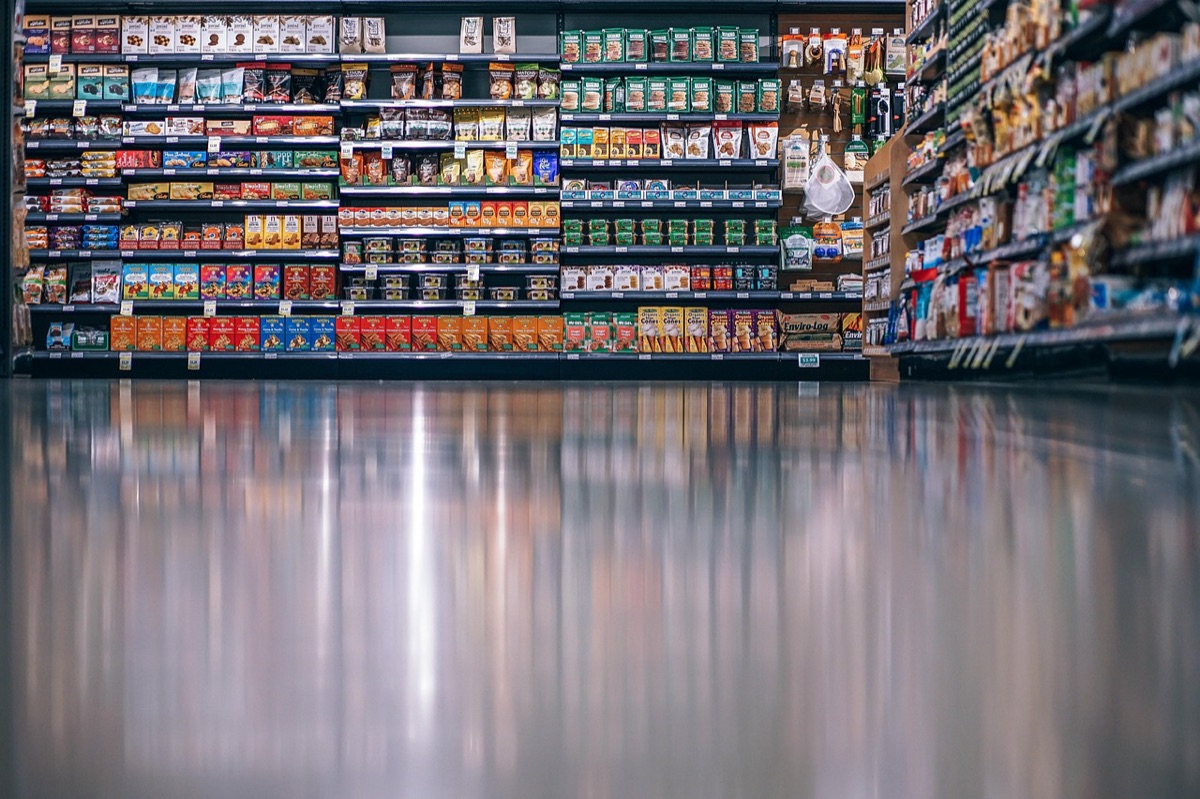
A shopper in a modern supermarket pauses in front of a packaged meat section, looking closely at the label to understand the processing methods used. What was once a point of confusion is becoming a standard part of food literacy.
The journey of consumer perception has seen a dramatic shift over the last three decades. In the early 1990s, skepticism was high, but as the safety of the technology was proven through rigorous testing, the numbers began to climb.
The growth curve is clear: consumer acceptance of irradiated foods rose from 33% in 1992 to 67% by 2024. This doubling of acceptance reflects a growing trust in regulatory oversight and a better understanding of the science behind food preservation.
However, trust requires more than just science; it requires strict oversight.
How are safety protocols and regulations managed?
A health inspector walks through a facility, checking temperature logs and radiation shielding to ensure every safety protocol is being met. The focus is on maintaining a barrier between the process and the public.
Major international bodies like the FDA and WHO establish the standards that govern these processes. These organizations ensure that radiation levels are kept within safe limits and that the food does most certainly does not become radioactive.
One of the most critical aspects of food safety is managing the "Danger Zone." For products like meats, poultry, milk, and cream, staying outside the temperature range of 4°C to 60°C is essential to prevent bacterial regrowth.
Even with irradiation, temperature control remains a cornerstone of food safety.
- Verify the source of the radiation to ensure it is controlled and shielded.
- Apply the specific dose required for the food type (e.g., poultry vs. spices).
- Monitor the "Danger Zone" (4°C to 60°C) during storage and transport.
- Use verified nutritional data, such as that from USDA FoodData Central, to ensure quality standards.
When I first walked through a food processing facility, the hum of the machinery was almost hypnotic, but the sheer precision of the shielding was what struck me most. It felt less like a factory and than a high-tech laboratory.
While these technologies are highly effective for mass-produced and processed goods, they may not be the primary solution for extremely fresh, raw organic produce where minimal intervention is the consumer's priority.
Related




Comments 0